

What is Narcolepsy?
Narcolepsy is a chronic neurological sleep disorder that disrupts the brain’s ability to regulate sleep-wake cycles, leading to excessive daytime sleepiness and sudden, uncontrollable sleep episodes. It is classified as a REM cycle disorder due to abnormal transitions between wakefulness and rapid eye movement (REM) sleep, often bypassing the normal stages of sleep.
This condition involves a misfiring of neurological signals responsible for maintaining sleep-wake balance, which may result from an autoimmune process that destroys hypocretin-producing neurons – a key component in wakefulness regulation.
Narcolepsy is distinct from general fatigue or chronic fatigue syndrome, as it specifically involves dysregulated REM sleep, vivid dreams, sleep paralysis, and cataplexy (sudden muscle weakness, in type 1 cases). It is categorized as a chronic illness and typically begins in adolescence or early adulthood, requiring lifelong management.
Common features include –
- Excessive daytime sleepiness (EDS)
- Disrupted nighttime sleep
- Sudden REM intrusions during wakefulness
- Neurological dysregulation of sleep cycles
This neurological sleep problem affects approximately 1 in 2,000 people globally, often going undiagnosed for years due to overlapping symptoms with other conditions.

Types of Narcolepsy – Type 1 vs. Type 2
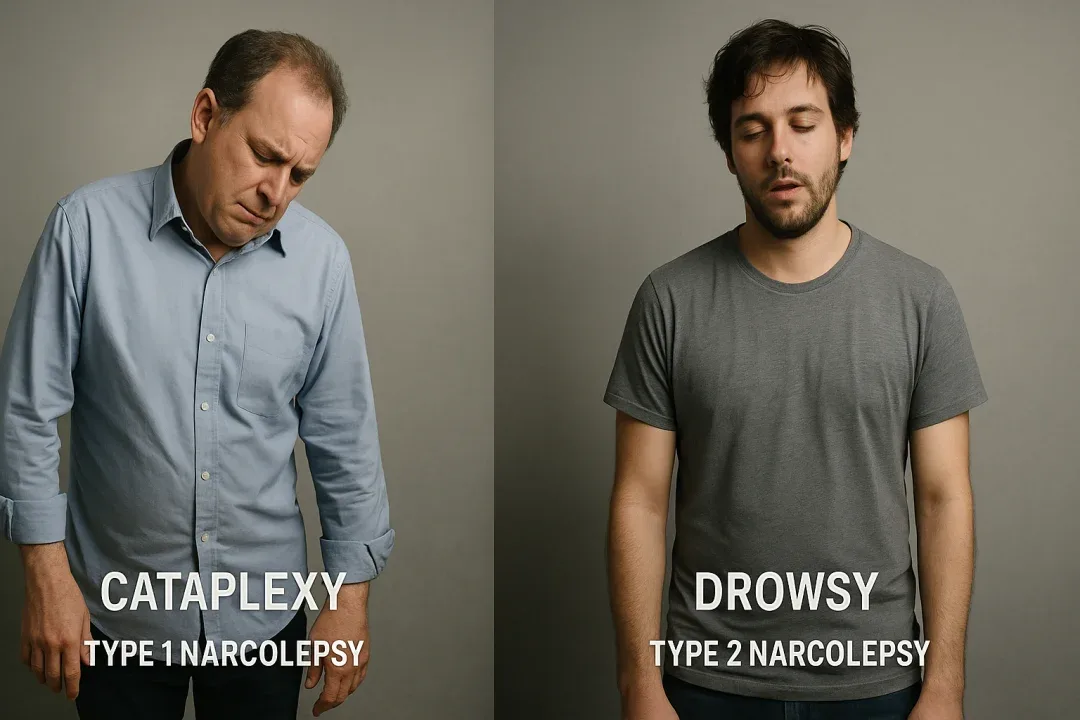
Narcolepsy is classified into two primary subtypes – Type 1 and Type 2 – based on the presence of cataplexy and levels of the neurochemical hypocretin (also known as orexin), which regulates wakefulness.
Type 1 Narcolepsy (with Cataplexy)
Type 1 narcolepsy is defined by the presence of cataplexy, a sudden and temporary loss of muscle tone triggered by strong emotions such as laughter or surprise. This subtype is strongly associated with orexin deficiency, which can be confirmed through cerebrospinal fluid analysis showing low hypocretin-1 levels – a key diagnostic biomarker.
Core features of Type 1 narcolepsy –
- Cataplexy episodes
- Excessive daytime sleepiness (EDS)
- Abnormal REM onset (sleep attacks and vivid dreams)
- Orexin levels typically low or undetectable
Type 2 Narcolepsy (without Cataplexy)
Type 2 narcolepsy presents with similar core symptoms – most notably sleep attacks and persistent daytime drowsiness – but without cataplexy. Hypocretin levels are usually normal, and the absence of cataplexy makes diagnosis more challenging due to symptom overlap with other sleep and mood disorders.
Core features of Type 2 narcolepsy –
- No cataplexy
- Normal hypocretin levels
- Persistent EDS and REM-related disruptions
- Less severe overall symptom profile compared to Type 1
Key Differences Between Narcolepsy Types
Feature | Type 1 Narcolepsy | Type 2 Narcolepsy |
|---|---|---|
Cataplexy | Present | Absent |
Hypocretin (Orexin) Levels | Low or undetectable | Normal |
Daytime Sleepiness (EDS) | Severe | Moderate to severe |
REM Sleep Onset | Abnormal (early onset REM) | Abnormal (but less distinct) |
Diagnostic Biomarker | CSF hypocretin-1 below threshold | No definitive biomarker |
Understanding the difference between narcolepsy types is important for accurate diagnosis and treatment. While both subtypes involve dysregulation of sleep-wake cycles, Type 1 narcolepsy is a confirmed orexin-deficient disorder, whereas Type 2 narcolepsy remains idiopathic, with mechanisms still under investigation.
Symptoms of Narcolepsy – How to Recognize the Condition

Narcolepsy symptoms are rooted in abnormal REM sleep regulation, resulting in both daytime dysfunction and nighttime sleep disturbances. The condition typically begins in adolescence or early adulthood and often goes unrecognized due to symptom overlap with other disorders.
Primary Symptoms of Narcolepsy
- Excessive Daytime Sleepiness (EDS) The hallmark of narcolepsy, EDS involves overwhelming drowsiness and sudden sleep attacks, even after adequate nighttime sleep. Individuals may fall asleep involuntarily during conversations, eating, or driving.
- Cataplexy (in Type 1 Narcolepsy) Cataplexy is a sudden, brief loss of muscle tone triggered by strong emotions – often laughter or surprise. This can cause muscle collapse while the person remains conscious. Severity ranges from slight facial weakness to full-body collapse.
Secondary Symptoms of Narcolepsy
- Sleep Paralysis Temporary inability to move or speak during sleep onset or waking, lasting seconds to minutes. Though harmless, it can be frightening and is linked to REM muscle atonia intruding into wakefulness.
- Hypnagogic or Hypnopompic Hallucinations Vivid, dream-like hallucinations occurring while falling asleep (hypnagogic) or waking (hypnopompic). These are often visual but may also involve sounds or tactile sensations, and are caused by REM intrusion into waking consciousness.
- Disrupted Nighttime Sleep Despite frequent daytime drowsiness, individuals with narcolepsy often report fragmented nighttime sleep, with frequent awakenings, vivid dreaming, and difficulty maintaining sleep continuity.
Additional Indicators
- Microsleeps (seconds-long sleep episodes without awareness)
- Fatigue episodes and mental fog
- Difficulty concentrating or memory lapses
Common Signs of Narcolepsy at a Glance
Symptom | Description |
|---|---|
Excessive Daytime Sleepiness | Involuntary sleep episodes during daytime activities |
Cataplexy | Sudden muscle weakness triggered by emotion (Type 1 only) |
Sleep Paralysis | Brief inability to move upon waking or falling asleep |
Hallucinations | Dream-like sensory experiences at sleep onset or awakening |
Disturbed Nighttime Sleep | Fragmented sleep with frequent awakenings and vivid dreams |
Recognizing early narcolepsy signs – especially when multiple symptoms co-occur – is essential for early diagnosis and effective treatment. If symptoms like microsleeps, cataplexy, or hallucinations are present alongside chronic fatigue, a neurological sleep evaluation is strongly recommended.
Narcolepsy and Mental Health – Cognitive and Emotional Impact
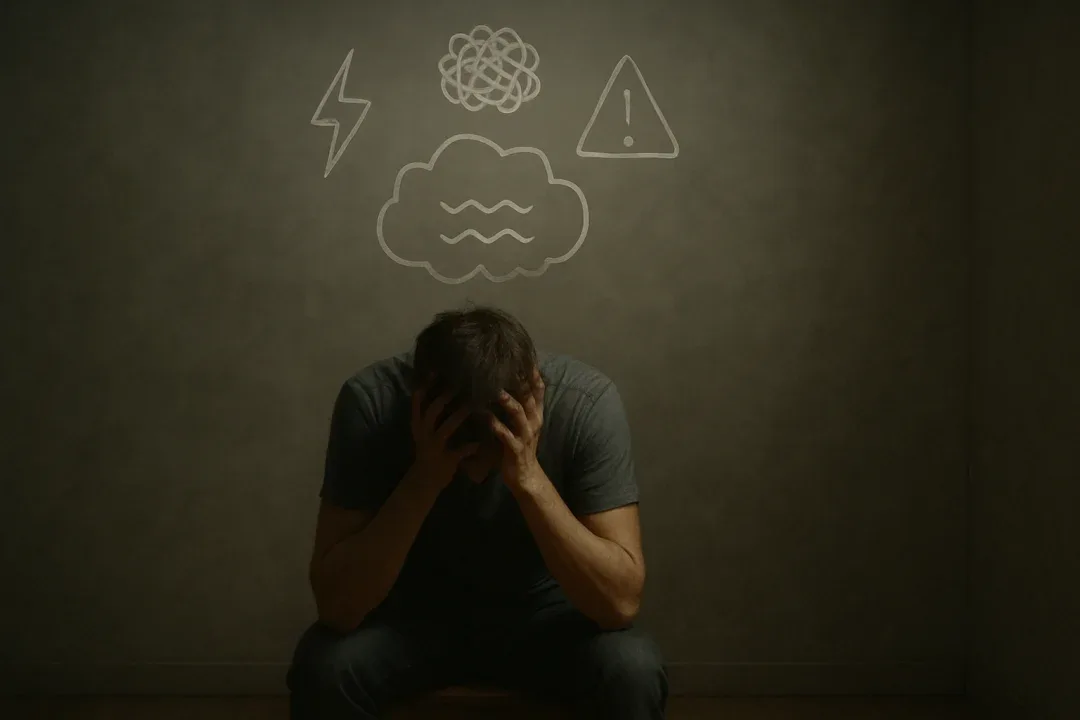
Narcolepsy significantly affects mental health, often compounding its physical symptoms with emotional and cognitive burdens. The disorder is closely linked to increased rates of depression, anxiety, and executive dysfunction, due in part to chronic sleep disruption and the challenges of living with an often-misunderstood condition.
Cognitive Effects of Narcolepsy
- Brain Fog Individuals frequently report mental fatigue, slowed thinking, and difficulty concentrating – collectively known as brain fog. This stems from inconsistent sleep cycles and REM intrusions, which impair attention and memory processing.
- Executive Dysfunction Impaired ability to plan, focus, and manage time is common. These issues reduce academic or workplace performance, increasing psychological stress and frustration.
Emotional and Psychological Symptoms
- Depression Up to 57% of people with narcolepsy experience symptoms of depression, driven by sleep deprivation, social isolation, and the chronic nature of the disorder. Feelings of hopelessness may increase due to delayed diagnosis or lack of public understanding.
- Anxiety Many individuals live with a persistent fear of sleep attacks or cataplexy in public, which contributes to social withdrawal and avoidance behaviors.
- Mood Instability Sleep fragmentation impacts emotional regulation, leading to mood swings, irritability, and difficulty managing stress.
Quality of Life Implications
Living with narcolepsy can feel isolating and invalidating, especially when symptoms are dismissed or misattributed to laziness or lack of motivation. The emotional impact of narcolepsy often extends beyond clinical symptoms, affecting self-esteem, relationships, and daily functioning.
Summary of Mental Health Effects in Narcolepsy
Mental Health Impact | Description |
|---|---|
Depression | Common comorbidity, worsened by sleep loss and social challenges |
Anxiety | Linked to fear of symptoms occurring in public and unpredictable episodes |
Brain Fog | Cognitive slowing, forgetfulness, and difficulty focusing |
Mood Instability | Emotional reactivity and poor regulation due to disrupted sleep patterns |
Executive Dysfunction | Reduced planning, decision-making, and organizational skills |
Addressing narcolepsy’s psychological symptoms is essential for comprehensive care. Treatments often combine medication with mental health support, such as cognitive behavioral therapy (CBT) or support groups, to improve both emotional regulation and quality of life.
What To Do If You Suspect Narcolepsy
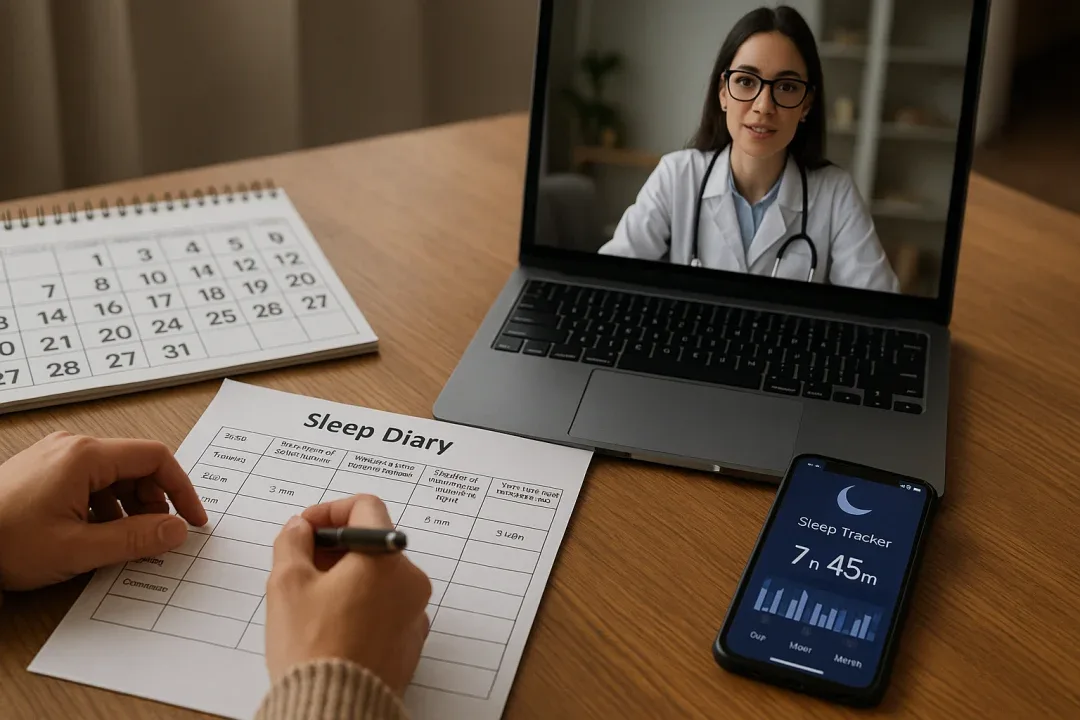
If you think you may have narcolepsy, early action is important for accurate diagnosis and effective treatment. The condition is often misdiagnosed or dismissed, so taking informed steps can significantly improve your care journey.
Track Your Symptoms
Begin by documenting your sleep patterns and symptoms. Maintain a detailed sleep log or symptom diary for at least two weeks, noting –
- Episodes of excessive daytime sleepiness
- Sleep attacks, microsleeps, or sudden muscle weakness (cataplexy)
- Occurrences of sleep paralysis or vivid hallucinations
- Nighttime awakenings and sleep duration
This record helps specialists understand the pattern and severity of your symptoms.
Talk to a Healthcare Provider
Schedule an appointment with a primary care physician or general practitioner, and bring your symptom log. If narcolepsy is suspected, request a referral to a sleep specialist or neurologist trained in sleep disorders.
Visit a Sleep Clinic
The diagnostic process for narcolepsy typically involves two key tests, both performed in a certified sleep clinic –
- Polysomnography (PSG) – An overnight sleep study to monitor brain activity, breathing, and sleep cycles.
- Multiple Sleep Latency Test (MSLT) – Conducted the next day to measure how quickly you fall asleep and how soon REM sleep begins. Quick REM onset is a hallmark of narcolepsy.
Low hypocretin (orexin) levels may also be tested via cerebrospinal fluid analysis, especially if cataplexy is present.
Advocate for Yourself
Because narcolepsy can mimic other conditions, be proactive. Bring a referral letter, explain your concerns clearly, and ask direct questions like –
- Could my symptoms indicate a REM sleep disorder?
- Should I undergo an MSLT or polysomnography?
Explore Early Intervention Options
While awaiting diagnosis, start practicing good sleep hygiene, such as –
- Keeping a consistent sleep schedule
- Taking short, scheduled naps during the day
- Avoiding caffeine or alcohol before bed
These habits won’t cure narcolepsy but may help manage symptoms and support your overall health.
Next Steps If You Suspect Narcolepsy
Action | Purpose |
|---|---|
Keep a Symptom Diary | Track frequency and type of sleep disruptions |
See Your Doctor | Get a referral to a sleep specialist or neurologist |
Schedule Sleep Tests | Confirm diagnosis through PSG and MSLT |
Advocate and Ask Questions | Ensure thorough evaluation and follow-up care |
Practice Sleep Hygiene | Support better rest and symptom management |
Narcolepsy is a diagnosable and treatable condition. If you’re asking, “Do I have narcolepsy?” – take that question seriously. Early diagnosis can reduce long-term complications, improve quality of life, and connect you with the care you need.
Diagnosing Narcolepsy – Tests, Criteria, and Common Challenges
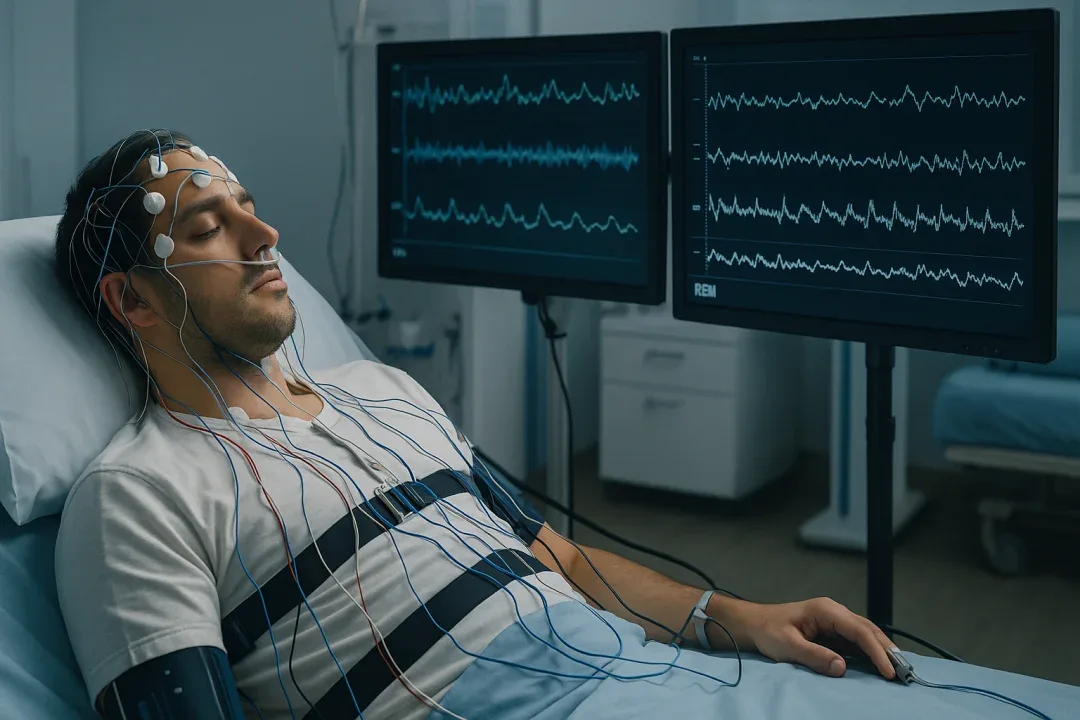
Narcolepsy is diagnosed through a combination of clinical history, sleep studies, and neurophysiological testing, with a strong emphasis on detecting abnormal REM sleep behavior. Because its symptoms overlap with other conditions, accurate diagnosis requires structured testing in a sleep clinic setting.
Core Diagnostic Tests for Narcolepsy
- Polysomnography (PSG) This overnight sleep study records brain waves (EEG), muscle activity, breathing, heart rate, and eye movement. It evaluates sleep architecture, detects other disorders like sleep apnea, and measures sleep efficiency.
- Key indicators in narcolepsy – fragmented sleep, reduced sleep efficiency, and abnormal REM patterns.
- Multiple Sleep Latency Test (MSLT) Performed the day after PSG, the MSLT measures how quickly a person falls asleep in a quiet environment during five scheduled nap opportunities, spaced two hours apart. It also tracks how soon REM sleep begins after sleep onset.
- Diagnostic criteria for narcolepsy –
- Mean sleep latency ≤ 8 minutes
- ≥ 2 Sleep-Onset REM Periods (SOREMPs)
- Diagnostic criteria for narcolepsy –
Supplementary Tools and Criteria
- Patient History and Symptom Review A detailed account of excessive daytime sleepiness, cataplexy, and secondary symptoms (hallucinations, sleep paralysis) provides essential context. Medical providers use this to guide testing and rule out differential diagnoses.
- CSF Hypocretin Testing (for Type 1 Narcolepsy) In cases where cataplexy is present, a cerebrospinal fluid (CSF) test may be ordered to measure hypocretin-1 (orexin) levels. A level below 110 pg/mL supports a Type 1 narcolepsy diagnosis.
- Epworth Sleepiness Scale (ESS) This self-assessment tool measures perceived sleepiness and is often used during the initial evaluation.
Diagnostic Criteria – ICSD-3 Guidelines
According to the International Classification of Sleep Disorders, 3rd Edition (ICSD-3), narcolepsy is diagnosed when –
- The patient experiences excessive daytime sleepiness for ≥3 months, and
- Meets MSLT criteria (mean sleep latency ≤ 8 minutes and ≥2 SOREMPs), or
- Has low CSF hypocretin-1 levels (for Type 1)
Why Narcolepsy Is Often Misdiagnosed
Narcolepsy shares symptoms with conditions like chronic fatigue syndrome, depression, and obstructive sleep apnea, leading to delayed or incorrect diagnoses. In fact, studies show that diagnostic delays often exceed 5 to 10 years from symptom onset.
Common misdiagnoses include –
- Depression or mood disorders
- Insomnia
- Seizure disorders
- ADHD
Narcolepsy Testing and Diagnosis
Diagnostic Tool | Purpose |
|---|---|
Polysomnography (PSG) | Assesses sleep architecture, efficiency, and rules out other disorders |
Multiple Sleep Latency Test (MSLT) | Measures sleep onset speed and REM latency |
CSF Hypocretin Test | Confirms orexin deficiency in Type 1 cases |
Clinical History Review | Identifies symptom duration and overlap |
Epworth Sleepiness Scale | Quantifies subjective daytime sleepiness |
Accurate diagnosis of narcolepsy relies on structured sleep testing and careful clinical evaluation. If you suspect narcolepsy, insist on a PSG followed by MSLT at a certified sleep center to ensure diagnostic accuracy and rule out other sleep disorders.
Medication-Based Treatments for Narcolepsy

Narcolepsy is primarily managed with prescription medications that target symptoms like excessive daytime sleepiness (EDS), cataplexy, and disrupted nighttime sleep. Treatment is individualized, often involving a combination of stimulants, wakefulness-promoting agents, and GABA-modulating drugs, depending on the symptom profile.
Wakefulness-Promoting Agents
- Modafinil (Provigil) and Armodafinil (Nuvigil) These are first-line treatments for daytime sleepiness. They act as dopamine reuptake inhibitors, promoting alertness without the intense stimulation of traditional amphetamines.
- Typical dose – 100-400 mg daily
- Common side effects – headache, nausea, anxiety
- Advantages – lower risk of dependency than stimulants
- Pitolisant (Wakix) A histamine H3 receptor inverse agonist that enhances histamine activity in the brain, promoting wakefulness and reducing cataplexy.
- Non-stimulant option, approved for both EDS and cataplexy
- Side effects – insomnia, nausea, headache
Central Nervous System Stimulants
- Methylphenidate (Ritalin) and Amphetamines (Adderall, Dexedrine) Used in more severe cases of EDS or when first-line treatments are ineffective. These increase dopamine and norepinephrine activity in the brain.
- Higher risk of side effects – elevated blood pressure, irritability, appetite suppression
- Requires close prescription management and monitoring for misuse
Sodium Oxybate (Xyrem, Xywav)
- Sodium oxybate is the gold standard for treating cataplexy and improving sleep architecture. It works through GABA-B receptor modulation, deepening nighttime sleep and reducing REM intrusions during the day.
- Taken in two doses nightly (first at bedtime, second 2.5-4 hours later)
- Also improves daytime wakefulness over time
- Side effects – nausea, dizziness, enuresis (nighttime urination), risk of abuse
- Requires a strict dosage schedule and is tightly regulated under the FDA’s REMS program
Off-Label and Adjunctive Medications
- SSRIs or SNRIs (e.g., Venlafaxine, Fluoxetine) These suppress REM sleep and are sometimes prescribed off-label to manage cataplexy, sleep paralysis, and hallucinations.
- Atomoxetine or Selegiline May be used in select cases for additional wakefulness or REM suppression, though evidence is limited.
Summary of Narcolepsy Medications
Medication Type | Common Drugs | Primary Use | Mechanism |
|---|---|---|---|
Wakefulness Agents | Modafinil, Armodafinil | Excessive daytime sleepiness | Dopamine reuptake inhibition |
Histamine Agonists | Pitolisant | EDS + Cataplexy | Histamine H3 inverse agonist |
Stimulants | Amphetamines, Methylphenidate | Severe EDS (resistant cases) | CNS stimulation via dopamine |
GABA Modulators | Sodium Oxybate (Xyrem/Xywav) | Cataplexy, sleep consolidation | GABA-B receptor agonist |
Off-label REM Suppressors | SSRIs, SNRIs, Atomoxetine | Cataplexy, hallucinations, paralysis | REM suppression |
Finding the best drug for narcolepsy depends on individual symptoms, tolerance, and response. Many patients require long-term prescription management and periodic dose adjustments to balance efficacy and side effects.
Consultation with a sleep specialist or neurologist is essential for initiating treatment, monitoring effectiveness, and adjusting medication protocols.
Lifestyle and Behavioral Management for Narcolepsy

Non-pharmacological strategies play an important role in managing narcolepsy, complementing medications and improving daily functioning. These methods focus on stabilizing sleep routines, reducing fatigue, and promoting emotional well-being – especially important given the chronic and often misunderstood nature of the disorder.
Sleep Hygiene and Structured Routines
Establishing consistent sleep-wake patterns helps regulate circadian rhythms and reduce symptom severity.
- Maintain a fixed bedtime and wake time, even on weekends
- Limit screen use at night to reduce blue light exposure
- Avoid caffeine, alcohol, and heavy meals before bed
- Use blackout curtains or sleep masks to improve sleep efficiency
These steps promote routine stabilization, reducing sleep fragmentation at night and improving alertness during the day.
Scheduled Daytime Naps
Short, planned naps (10-20 minutes) can significantly reduce excessive daytime sleepiness and improve alertness.
- Optimal nap times – mid-morning and mid-afternoon
- Avoid long naps, which can cause sleep inertia and disrupt nighttime rest
Napping is an essential part of energy pacing, helping conserve mental and physical stamina.
Cognitive Behavioral Therapy (CBT) and Mental Coping Strategies
CBT for narcolepsy addresses psychological challenges like stress, depression, and anxiety, while teaching habit training and emotional resilience.
- Techniques include –
- Cognitive reframing to challenge negative beliefs
- Sleep-focused CBT to reduce anxiety around sleep disruption
- Behavioral coaching for managing daily routines
Mindfulness practices such as meditation and breathing exercises also support stress management and emotional regulation.
Diet and Physical Activity
While no specific diet cures narcolepsy, nutritional habits can influence energy levels –
- Emphasize high-protein, low-sugar meals to reduce energy crashes
- Stay hydrated and avoid large meals that cause drowsiness
- Engage in light daily physical activity to promote sleep quality and mood
Some individuals report symptom improvement on low-carb or keto-style diets, though clinical evidence remains limited.
Tech Tools and Wearables
Wearable sleep trackers and health apps can assist with self-monitoring and accountability.
- Use apps to log naps, track sleep patterns, or set reminders
- Smart alarms can help wake you during lighter sleep stages, reducing grogginess
These tools reinforce habit formation and help users identify fatigue patterns and symptom triggers.
Lifestyle Tips for Managing Narcolepsy
Strategy | Benefits |
|---|---|
Consistent Sleep Routine | Improves sleep quality and REM regulation |
Scheduled Power Naps | Reduces daytime drowsiness and improves focus |
CBT and Mindfulness | Builds emotional resilience and addresses psychological stress |
Balanced Diet and Exercise | Stabilizes energy levels and supports mental clarity |
Tech and Sleep Trackers | Promotes awareness, consistency, and self-regulation |
Natural treatments for narcolepsy can’t replace medication but significantly improve quality of life. A combined approach – medication, behavioral therapy, and lifestyle optimization – is the most effective way to manage this chronic neurological disorder.
Narcolepsy and the Workplace – Legal Rights and Productivity Strategies

Narcolepsy is recognized as a disability under U.S. law, which means employees are entitled to protections and reasonable accommodations in the workplace. With proper support and strategic self-management, many people with narcolepsy can sustain productive and fulfilling careers.
Legal Protections Under the ADA
Under the Americans with Disabilities Act (ADA), narcolepsy qualifies as a neurological disorder that limits major life activities, including staying awake and concentrating. This means –
- Employers with 15+ employees must provide reasonable accommodations
- Employees are protected from discrimination, demotion, or termination based solely on their condition
- You are not legally required to disclose your diagnosis unless requesting accommodations
Disclosure Strategy – If symptoms are affecting job performance, consider informing your HR department or supervisor with documentation from a medical provider. A clear explanation of your needs can lead to practical adjustments without stigma.
Reasonable Workplace Accommodations
Common narcolepsy accommodations include –
- Flexible scheduling or modified start times
- Permission for scheduled naps or rest breaks during the workday
- Remote work (WFH) or hybrid options for reduced fatigue
- Use of ergonomic support, such as standing desks or light-regulating equipment
- Task restructuring to allow for high-focus work during peak alertness periods
Workplaces may also permit adjustments to lighting, temperature, or allow work in a quiet area to reduce overstimulation and support energy pacing.
Occupational Therapy and Workplace Support
Occupational therapists can help develop personalized strategies to improve performance and reduce fatigue on the job, including –
- Energy conservation techniques
- Use of assistive tech tools or wearable reminders
- Time-blocking and task-prioritization systems tailored to alertness cycles
Coping Strategies for Working with Narcolepsy
In addition to legal support, personal strategies can make a major difference in workplace performance –
- Use alarms or timers to manage tasks and avoid microsleeps
- Schedule demanding tasks during peak energy periods
- Take brief, controlled naps during breaks if possible
- Communicate proactively with managers about your productivity style and scheduling needs
If full-time work becomes unsustainable, options like part-time work, consulting, or freelancing may offer more autonomy and energy flexibility.
Narcolepsy and Your Rights at Work
Area | Key Details |
|---|---|
Legal Protection | Covered by ADA as a disability; eligible for job accommodations |
Workplace Accommodations | Flexible schedules, rest breaks, WFH, ergonomic tools |
HR Communication | Voluntary disclosure, preferably with medical documentation |
Self-Management Tips | Energy pacing, task timing, environmental adjustments |
Support Services | Occupational therapy, employee assistance programs (EAP), legal aid |
Working with narcolepsy is possible with the right support and structure. Knowing your rights at work, requesting the right accommodations, and applying practical productivity strategies can help you thrive professionally – without compromising your health.
Emerging Research and Hope for the Future of Narcolepsy

Narcolepsy research is entering a transformative era, with promising advances targeting the root causes of the disorder – not just the symptoms. From orexin replacement therapies to gene editing, the next wave of innovation offers hope for more effective and potentially curative treatments.
Orexin Agonists – Targeting the Core Deficit
The most groundbreaking area of narcolepsy research focuses on orexin (hypocretin) replacement, especially for Type 1 narcolepsy, which involves a near-total loss of orexin-producing neurons.
- Orexin receptor agonists mimic the function of natural orexin by stimulating brain receptors that control wakefulness and REM regulation.
- TAK-994, a once-promising candidate, was discontinued due to safety concerns, but second-generation compounds are already in development with improved targeting and reduced side effects.
- Companies like Jazz Pharmaceuticals and Takeda are leading efforts to bring next-gen orexin drugs to clinical use in the coming years.
Gene Therapy and Regenerative Medicine
Researchers are exploring gene therapy approaches to restore orexin function at the molecular level.
- Preclinical models have shown that inserting the orexin gene into targeted brain regions can restore wakefulness in animal studies.
- Though not yet in human trials, these developments open the door for long-term correction of orexin deficiency.
Regenerative medicine also aims to repopulate orexin neurons using stem cell-derived neuroengineering, a potential breakthrough in disease modification rather than symptom control.
Wearable Diagnostics and Digital Sleep Tech
Advances in wearable sleep trackers and AI-driven diagnostics are reshaping how narcolepsy is monitored and diagnosed –
- Next-generation wearable EEG devices can detect REM intrusions, microsleeps, and sleep efficiency in real-time, potentially replacing or supplementing traditional lab-based sleep studies.
- Integration of machine learning algorithms may improve diagnostic accuracy and reduce misdiagnosis.
These tools could make early detection and remote monitoring more accessible – particularly in underserved areas.
Clinical Trials – What’s in the Pipeline (as of 2025)
Multiple trials are underway targeting different mechanisms and patient subgroups –
Treatment Type | Example Drugs / Technologies | Status in 2025 |
|---|---|---|
Orexin Agonists | TAK-861, DSP-0187, SHC-003 | Phase 1-2 trials |
Histamine Modulators | Pitolisant XR | Phase 3 |
Gene Therapy | Preclinical (animal models) | Pre-human trials |
Digital Sleep Tech | Wearable EEG, mobile MSLT tools | Pilot programs |
Patients can search clinicaltrials.gov for ongoing studies related to “narcolepsy orexin therapy”, “gene therapy narcolepsy”, or “wearable sleep diagnostics.”
A Future Beyond Symptom Management
Current medications treat symptoms like sleepiness and cataplexy, but future therapies aim to restore normal brain chemistry, particularly the orexin system. This shift from management to modulation marks a fundamental change in how narcolepsy may be approached in the next 5-10 years.
What’s on the Horizon for Narcolepsy Treatment
Innovation Area | Focus | Potential Impact |
|---|---|---|
Orexin Agonists | Stimulate orexin receptors | Restore wakefulness, reduce EDS |
Gene Therapy | Repair or replace orexin production | Long-term correction of root cause |
Wearable Diagnostics | Continuous symptom tracking | Early detection, remote monitoring |
AI in Sleep Science | Personalized treatment prediction | Improve diagnostic speed and accuracy |
While a cure for narcolepsy is not yet available, emerging therapies are moving closer to disease modification. With active clinical trials, biotech investment, and growing public awareness, the future of narcolepsy treatment is not just hopeful – it’s rapidly advancing.
FAQ’s
What is narcolepsy?
Narcolepsy is a chronic neurological sleep disorder that disrupts the brain’s ability to regulate sleep-wake cycles, leading to excessive daytime sleepiness and sudden REM intrusions.
What are the types of narcolepsy?
Narcolepsy is divided into Type 1, which includes cataplexy and low hypocretin levels, and Type 2, which lacks cataplexy and typically has normal hypocretin levels
What are common symptoms of narcolepsy?
Symptoms include excessive daytime sleepiness, cataplexy, sleep paralysis, hallucinations, and fragmented nighttime sleep.
How does narcolepsy affect mental health?
Narcolepsy often leads to depression, anxiety, mood instability, and cognitive issues like brain fog due to chronic sleep disruption.
How is narcolepsy diagnosed?
Diagnosis typically involves a sleep study (polysomnography) followed by a Multiple Sleep Latency Test (MSLT) and possibly CSF hypocretin level testing.
What medications are used to treat narcolepsy?
Common medications include modafinil, sodium oxybate, pitolisant, stimulants, and off-label SSRIs or SNRIs for cataplexy and REM suppression.
Can lifestyle changes help manage narcolepsy?
Yes, strategies like sleep hygiene, scheduled naps, CBT, mindfulness, and dietary adjustments can improve symptom control alongside medication.
What workplace rights do people with narcolepsy have?
Under the ADA, individuals with narcolepsy are entitled to reasonable accommodations, such as flexible schedules, rest breaks, or remote work.
Are there new treatments or a cure for narcolepsy on the horizon?
Emerging research includes orexin agonists, gene therapy, and wearable diagnostics. These treatments aim to address the root causes of narcolepsy.
References and Sources
NHS UK – Narcolepsy – Symptoms, Causes, Diagnosis and Treatment
Sleep Foundation – Narcolepsy – Causes, Symptoms and Treatments