
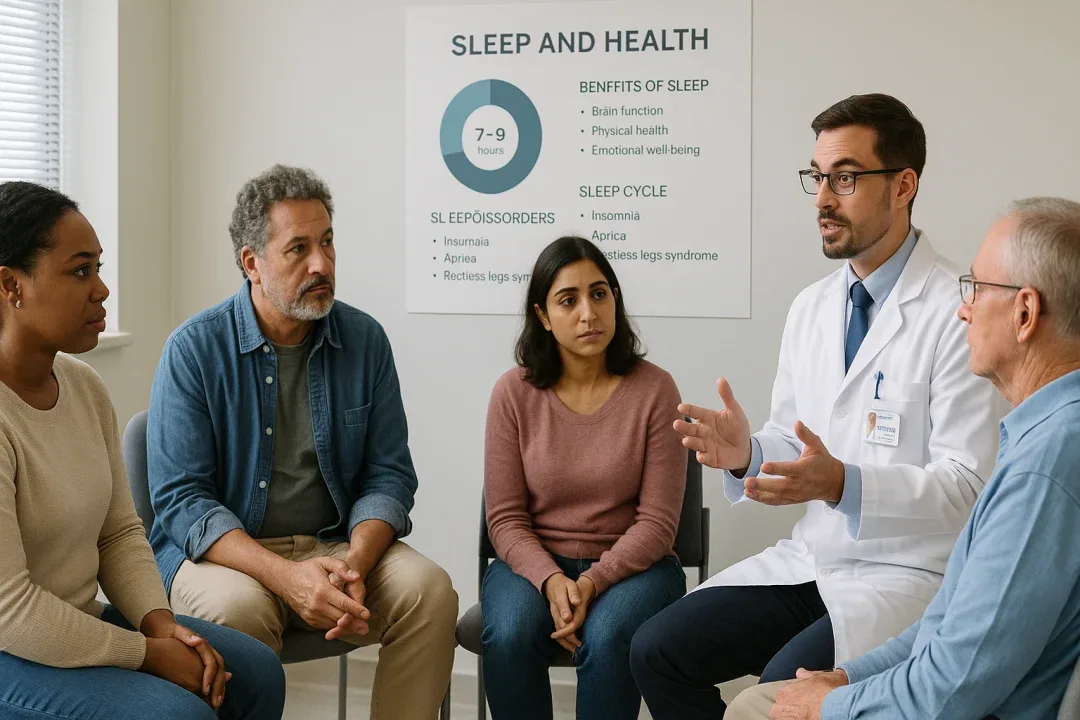
What is a Sleep Assessment?
A sleep assessment is a clinical process designed to evaluate how well a person sleeps and identify potential sleep disorders. It may involve questionnaires, interviews, and objective tests like in-lab sleep studies (polysomnography) or wearable monitors. These tools help healthcare providers assess sleep quality, duration, breathing patterns, and other physiological factors during rest.
Why Understanding Sleep Assessments Matters
Sleep plays a foundational role in physical and mental health. Disruptions in sleep can affect memory, mood, immunity, and chronic conditions such as heart disease or diabetes. Sleep assessments offer a data-driven path to understanding whether poor rest stems from lifestyle habits, environmental factors, or underlying medical issues like sleep apnea or insomnia.
Who Benefits from a Sleep Assessment?
Anyone experiencing persistent fatigue, loud snoring, irregular sleep patterns, or daytime sleepiness may benefit from a professional evaluation. Sleep assessments are especially recommended for individuals with –
- Difficulty falling or staying asleep
- Frequent nighttime awakenings
- Unexplained fatigue despite adequate sleep time
- Risk factors for obstructive sleep apnea (e.g., obesity, hypertension)
Whether you’re seeking answers about restless nights or aiming to optimize overall well-being, a sleep assessment is the gateway to evidence-based treatment and better health outcomes.

Sleep and Health – The Connection
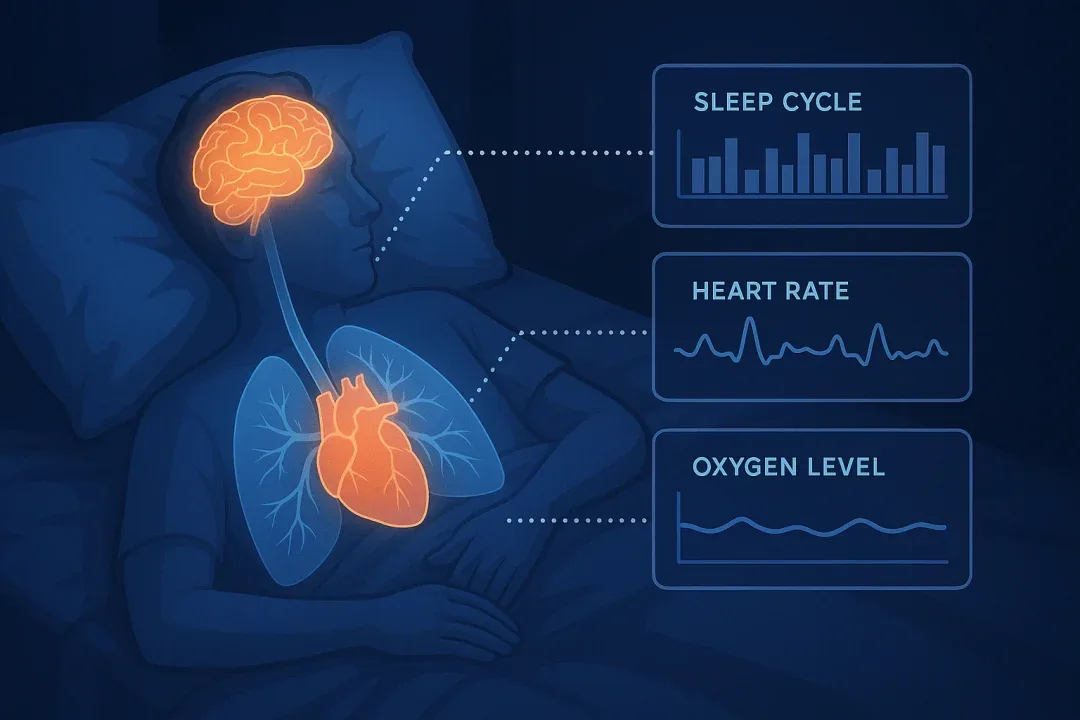
The Role of Sleep in Physical and Mental Health
Sleep is not just rest, it’s an active biological process essential for immune function, brain health, metabolism, and emotional regulation. During sleep, the body repairs tissue, consolidates memory, balances hormones, and clears toxins from the brain. Chronic sleep disruption can increase the risk of conditions like depression, anxiety, obesity, type 2 diabetes, and cardiovascular disease.
Common Sleep Problems That Prompt Assessment
Many individuals experience symptoms without realizing they’re linked to a sleep disorder. A professional sleep assessment can uncover hidden conditions such as –
Insomnia – Characterized by trouble falling or staying asleep, often due to stress, poor sleep hygiene, or underlying psychological factors.
Obstructive Sleep Apnea (OSA) – Marked by repeated airway obstruction during sleep, leading to snoring, choking, and frequent awakenings.
Restless Legs Syndrome (RLS) – A neurological disorder causing uncomfortable leg sensations and an uncontrollable urge to move the legs, typically worsening at night.
Narcolepsy – A chronic disorder involving excessive daytime sleepiness and sudden episodes of muscle weakness (cataplexy).
These conditions are often underdiagnosed, yet they significantly impact quality of life and long-term health if untreated.
How Sleep Assessments Support Diagnosis
By collecting objective data on breathing patterns, heart rate, brain activity, and body movements, sleep assessments reveal what the naked eye cannot. For instance, a person might believe they “sleep okay” but unknowingly stop breathing hundreds of times per night, a pattern common in sleep apnea. Early detection through sleep studies allows for timely treatment and improved outcomes.
Types of Sleep Assessments
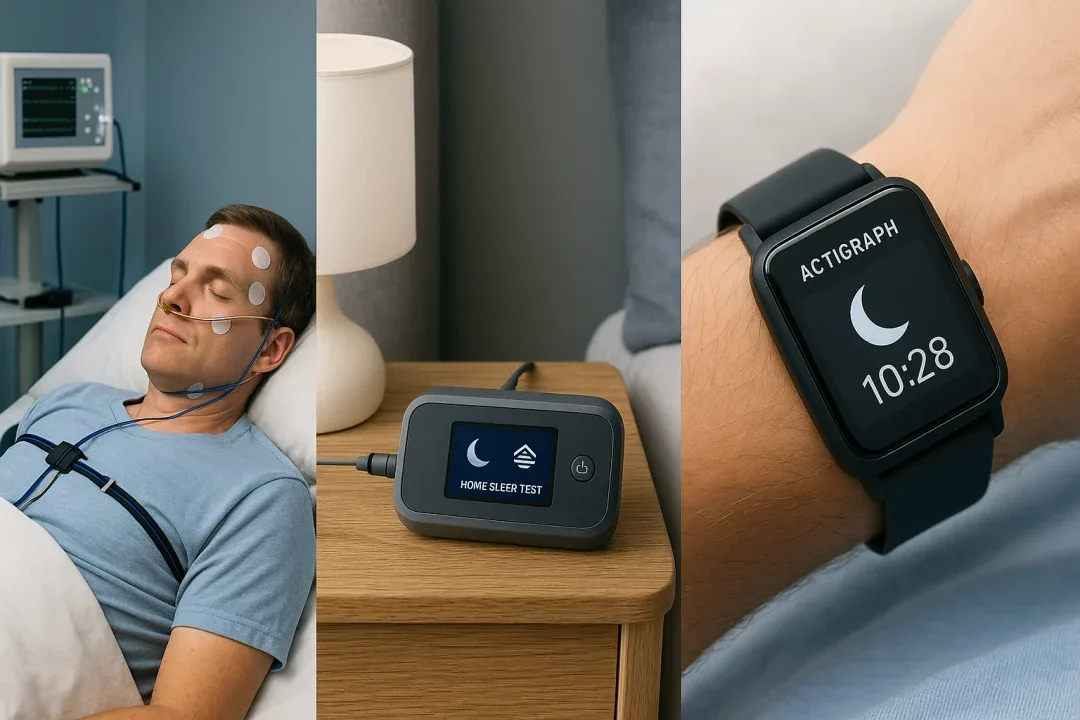
Sleep assessments use a range of tools to evaluate sleep patterns, behaviors, and physiological activity. The type of assessment selected depends on symptoms, medical history, and the suspected sleep disorder. Some methods rely on self‑reported information, while others collect objective data during sleep.
Clinical Sleep History and Questionnaires
A sleep assessment often begins with a detailed clinical history. Healthcare providers ask structured questions about sleep habits, bedtime routines, daytime alertness, medication use, and lifestyle factors. This conversation helps identify patterns such as irregular sleep schedules, shift work effects, or chronic sleep deprivation.
Standardized questionnaires are frequently used to quantify symptoms. Common examples include –
- Epworth Sleepiness Scale (ESS) to measure daytime sleepiness
- Pittsburgh Sleep Quality Index (PSQI) to assess overall sleep quality
- Insomnia Severity Index (ISI) to evaluate insomnia symptoms
These tools help determine whether further testing is needed and provide a baseline for tracking improvement over time.
Polysomnography (In‑Lab Sleep Study)
Polysomnography is the most comprehensive sleep assessment. It takes place overnight in a sleep laboratory and records multiple physiological signals at the same time, including –
- Brain activity (EEG)
- Eye movements
- Muscle tone
- Heart rate and rhythm
- Breathing patterns and oxygen levels
This assessment is commonly used to diagnose conditions such as obstructive sleep apnea, narcolepsy, parasomnias, and complex movement disorders. Continuous monitoring allows clinicians to observe sleep stages and disruptions with high accuracy.
Home Sleep Apnea Testing (HSAT)
Home sleep apnea testing offers a simplified alternative for evaluating breathing-related sleep disorders. These portable devices are used in the person’s usual sleeping environment and typically measure airflow, oxygen saturation, respiratory effort, and heart rate.
HSAT is most appropriate for adults with a high likelihood of obstructive sleep apnea and no major coexisting medical conditions. It does not capture sleep stages, so it is not used for diagnosing insomnia, narcolepsy, or neurological sleep disorders.
Actigraphy and Wearable Monitoring
Actigraphy uses a small wearable device, usually worn on the wrist, to track movement over several days or weeks. By analyzing activity and rest cycles, actigraphy estimates sleep duration, timing, and consistency.
This method is useful for identifying circadian rhythm disorders, irregular sleep‑wake patterns, and chronic insomnia. It also helps validate sleep diaries by providing objective long‑term data.
Specialized Sleep Tests
Some sleep conditions require additional testing beyond overnight monitoring. These include –
- Multiple Sleep Latency Test (MSLT) to assess excessive daytime sleepiness and diagnose narcolepsy
- Maintenance of Wakefulness Test (MWT) to measure the ability to stay awake during quiet situations
These tests are performed during the day and are often scheduled after an overnight sleep study to ensure accurate interpretation.
Preparing for a Sleep Assessment
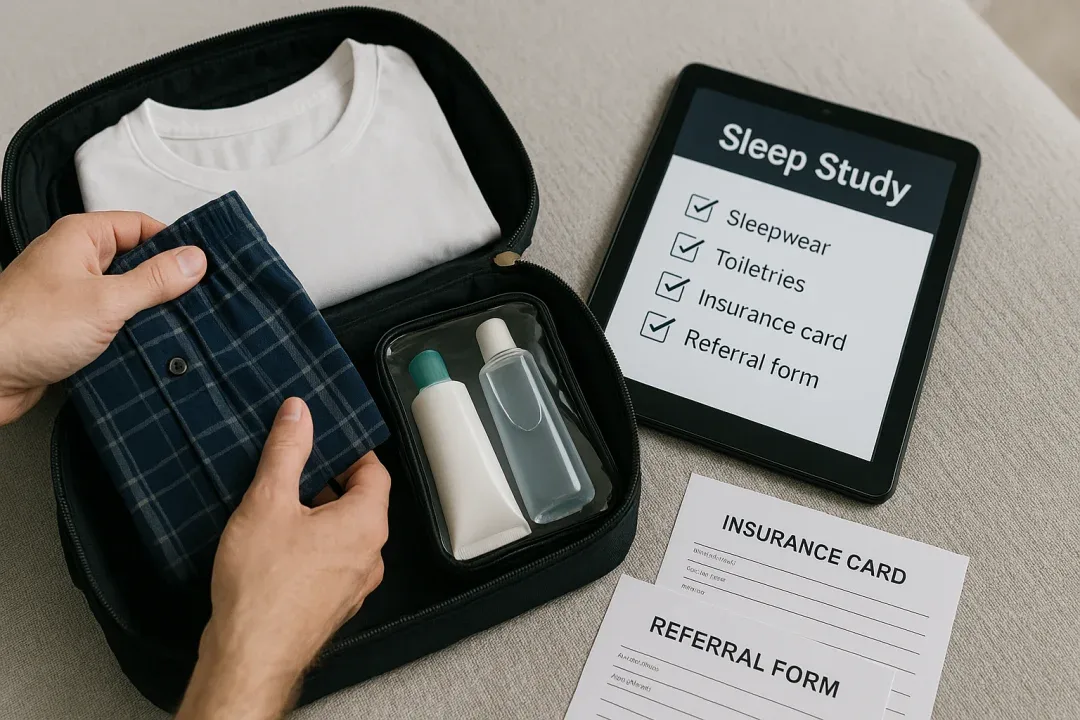
Proper preparation can improve the accuracy and comfort of your sleep assessment experience. Whether undergoing an in-lab study or a home-based test, following pre-assessment instructions is key.
Practical Steps Before the Test
To ensure reliable results, your provider may recommend the following steps in the days leading up to the assessment –
- Maintain a sleep diary – Tracking your sleep and wake times, caffeine intake, and bedtime routines for 1–2 weeks provides useful context for interpreting results.
- Avoid stimulants – Refrain from caffeine, nicotine, and alcohol on the day of the study, as these substances can alter sleep architecture or suppress sleep stages.
- Continue medication as advised – Inform your provider of any medications you take. Some drugs may affect sleep patterns or interfere with the test.
- Follow your usual routine – Try to maintain your regular bedtime to make the assessment reflect typical sleep behavior.
What to Bring and Expect
For In-Lab Sleep Studies –
- Clothing and toiletries – Bring comfortable sleepwear, a toothbrush, and other personal items. Most labs resemble hotel rooms and are equipped for overnight stays.
- Medical documentation – Include a list of current medications and recent test results if applicable.
- Arrival – Typically, you’ll arrive in the evening and leave early the next morning. Sensors will be placed on your scalp, chest, legs, and face, connected to a monitoring system that tracks activity while you sleep.
Despite the equipment, most people are able to sleep adequately for the purposes of the study. Technicians are available throughout the night for support or equipment adjustments.
For Home Sleep Testing –
- Device setup – You’ll either be trained in-person or given instructional materials to place sensors correctly.
- Environment preparation – Choose a quiet, dark sleeping space and follow your usual nighttime routine as closely as possible.
- Test duration – Most home sleep tests require one night of data. Devices typically auto-start and stop recording based on programmed settings.
Proper preparation ensures that the test results reflect real-world sleep patterns and helps your provider make accurate recommendations based on objective evidence.
Results and Interpretation
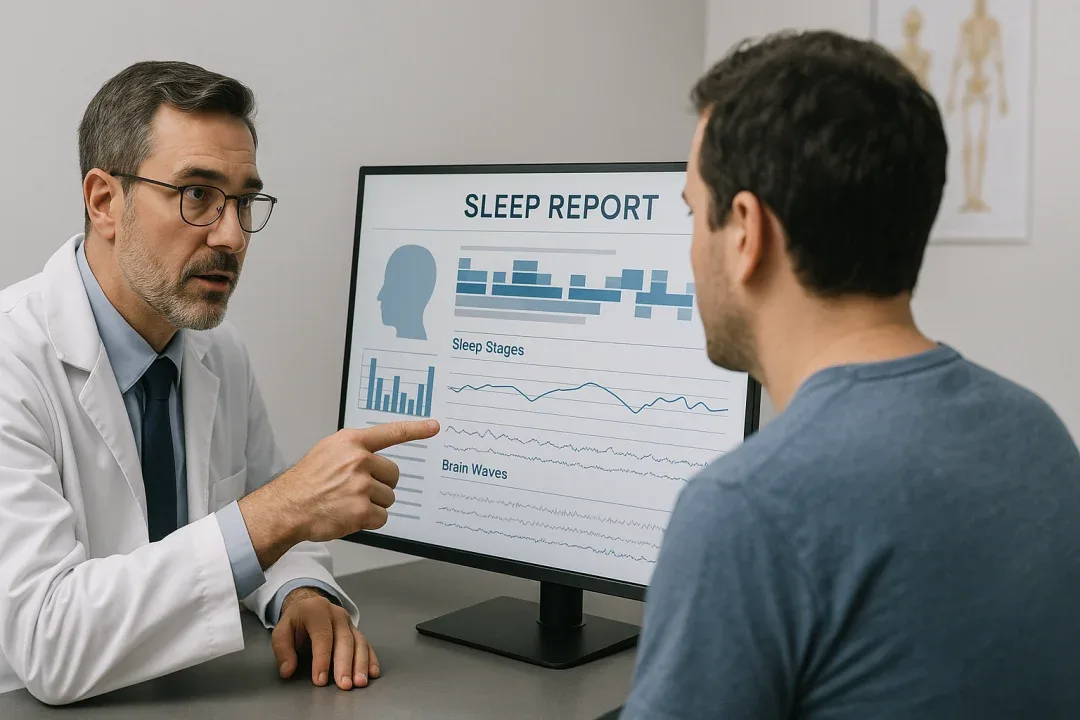
Understanding your sleep assessment results is key to identifying potential sleep disorders and determining next steps. Your provider will review the data collected during the assessment, often in the form of a structured report.
Understanding Your Sleep Report
Sleep reports vary depending on the type of assessment, but most will include the following key metrics –
- Sleep latency – How long it took you to fall asleep.
- Total sleep time – The number of minutes actually spent asleep.
- Sleep efficiency – The percentage of time in bed actually spent sleeping.
- Sleep stages – Time spent in light sleep (N1/N2), deep sleep (N3), and REM sleep.
- Arousal index – How often your sleep was disrupted.
- Respiratory events – Apnea (complete pauses in breathing) and hypopnea (partial reductions) per hour, summarized as the Apnea-Hypopnea Index (AHI).
- Oxygen desaturation – Drops in oxygen levels during sleep, a key indicator in sleep apnea.
These metrics help determine whether your sleep was restorative and if specific conditions, such as obstructive sleep apnea or insomnia, may be present.
Normal vs. Abnormal Patterns
Your results will be compared against established reference ranges. Here are a few general indicators –
- AHI below 5 – Normal
- AHI 5–15 – Mild sleep apnea
- AHI 15–30 – Moderate sleep apnea
- AHI over 30 – Severe sleep apnea
In insomnia, normal breathing and oxygen levels may be present, but there may be long sleep latency, frequent awakenings, and reduced time spent in deep or REM sleep.
Sleep architecture disruptions, excessive arousals, or abnormal sleep stage distribution may point to other disorders like parasomnias or REM behavior disorder.
Next Steps After Assessment
Once results are interpreted, your provider will explain what they mean in the context of your symptoms and health goals. Possible next steps include –
- Treatment recommendations – If a condition is diagnosed, interventions such as CPAP therapy (for sleep apnea), cognitive behavioral therapy for insomnia (CBT‑I), or medications may be discussed.
- Lifestyle adjustments – Sleep hygiene improvements, stress management, or weight loss may be recommended as part of a broader plan.
- Referral to specialists – Neurologists, pulmonologists, or behavioral sleep medicine experts may be involved for further evaluation or care.
The sleep assessment serves as a roadmap, translating sleep data into actionable health strategies that improve both night-time rest and day-time functioning.
Benefits of Sleep Assessments

Sleep assessments offer more than just a diagnosis, they provide clarity, direction, and an evidence-based approach to improving sleep quality and overall well-being. Here are the key advantages –
Clarifying the Cause of Sleep Issues
Many people struggle with fatigue, poor concentration, or unrefreshing sleep without understanding why. A sleep assessment –
- Identifies whether issues are behavioral, environmental, or medical
- Pinpoints specific conditions such as sleep apnea, insomnia, or restless legs syndrome
- Differentiates between overlapping symptoms (e.g., depression vs. sleep deprivation)
This diagnostic clarity helps prevent misdiagnosis and unnecessary treatments.
Enabling Accurate, Targeted Treatment
Once a sleep disorder is confirmed, treatment can be tailored to your specific needs. For example –
- Sleep apnea can be addressed with CPAP or oral appliance therapy
- Insomnia may benefit from cognitive behavioral therapy (CBT‑I)
- Narcolepsy or hypersomnia can be treated with alertness-promoting medications
By basing treatment on real data, outcomes are often more effective and longer-lasting.
Preventing Long-Term Health Complications
Sleep disorders aren’t just disruptive, they’re also linked to serious health risks. Untreated conditions like sleep apnea increase the risk of –
- High blood pressure
- Heart disease
- Type 2 diabetes
- Stroke
- Mood disorders
By identifying and addressing these issues early, sleep assessments can play a preventive role in long-term health.
Improving Daytime Function and Quality of Life
Better sleep leads to –
- Enhanced mood and emotional regulation
- Improved focus, memory, and decision-making
- Increased energy and physical performance
- Reduced daytime drowsiness and risk of accidents
For many, the most immediate benefit of a sleep assessment is simply feeling better and functioning more effectively during the day.
Supporting Ongoing Sleep Health Monitoring
Some people undergo repeated assessments to track progress over time or adjust therapy. Sleep assessments provide a measurable baseline and objective feedback that can –
- Validate the effectiveness of treatments
- Justify changes in therapy
- Document sleep improvements after lifestyle changes or interventions
Common Misconceptions About Sleep Assessments
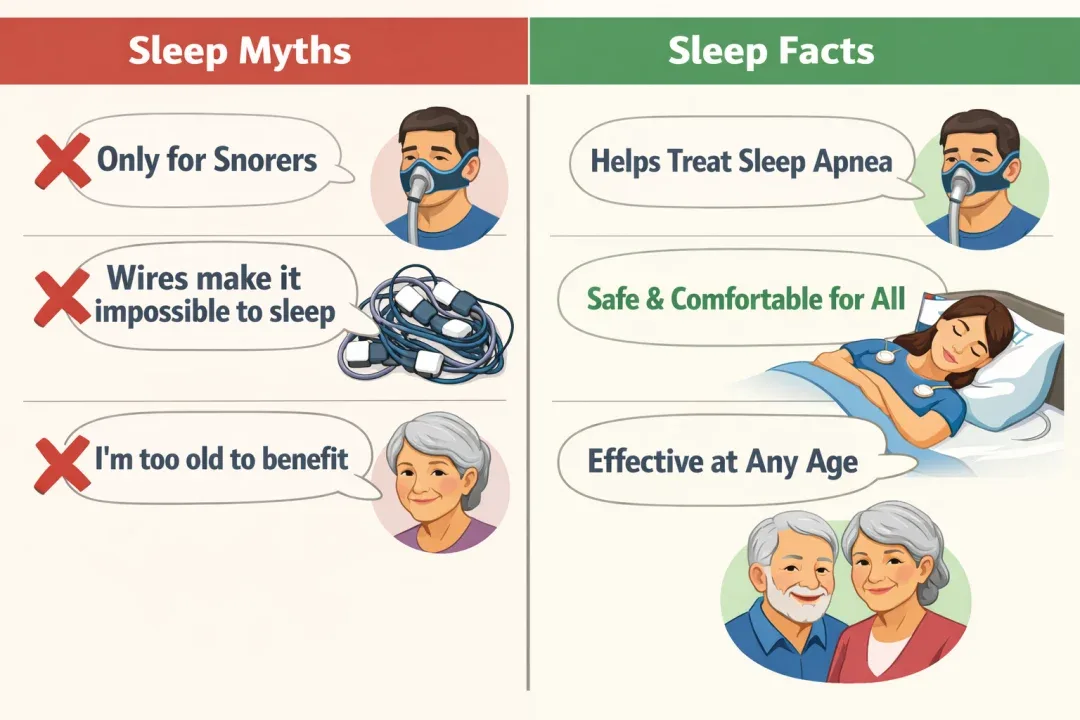
Despite growing awareness about sleep health, several myths still prevent people from seeking assessments. Addressing these misconceptions can help individuals make informed decisions about their well-being.
“Sleep assessments are only for people who snore.”
Snoring is a common sign of obstructive sleep apnea, but it’s not the only reason to get evaluated. Sleep assessments also help diagnose –
- Chronic insomnia
- Restless legs syndrome
- Narcolepsy
- Circadian rhythm disorders
Even individuals who don’t snore may experience disrupted sleep patterns that affect their physical and mental health.
“You only need a sleep study if your sleep problems are severe.”
Many sleep disorders develop gradually. Daytime fatigue, trouble concentrating, or waking up unrefreshed can be early signs of a problem. Identifying issues early allows for simpler and more effective interventions, often without medication or complex treatment.
“Home sleep tests aren’t accurate.”
Home Sleep Apnea Testing (HSAT) is a validated and effective tool for diagnosing moderate to severe obstructive sleep apnea in appropriate cases. While it doesn’t provide the depth of data collected in a lab-based study, it’s highly accurate for the condition it’s designed to detect. For other disorders, in-lab polysomnography remains the gold standard.
“The wires and sensors make it impossible to sleep.”
While in-lab setups may look intimidating, most people sleep enough for diagnostic purposes. Technicians apply the sensors carefully to minimize discomfort, and modern sleep centers are designed to resemble hotel rooms. Studies typically require only a few hours of sleep to yield usable data.
“A sleep assessment won’t change anything.”
On the contrary, many people discover life-changing insights through sleep evaluations. Identifying and treating sleep disorders often leads to improvements in mood, memory, productivity, and long-term health. Whether through CPAP therapy, behavioral changes, or lifestyle adjustments, the benefits are often significant and measurable.
Frequently Asked Questions (FAQ)
How long does a sleep assessment take?
It depends on the type of assessment. In-lab sleep studies typically last one night (approximately 6–8 hours of monitoring). Home sleep tests are usually completed in a single night as well. Daytime tests such as the Multiple Sleep Latency Test (MSLT) may require several sessions spread over one day, following an overnight study.
Is a sleep assessment covered by insurance?
Most health insurance plans, including Medicare, cover sleep assessments when ordered for medical necessity (e.g., suspected sleep apnea or chronic fatigue). Coverage may vary based on the test type, provider, and your plan's network. It's best to verify with your insurance provider before scheduling.
Can I drive home after a sleep study?
Yes, most people can drive home after an overnight sleep study. However, if you’ve undergone daytime sleep testing (such as MSLT) or have had significant sleep deprivation, it may be safer to arrange transportation.
Are there any risks involved in sleep assessments?
Sleep studies are non-invasive and very low-risk. You may experience minor skin irritation from adhesive sensors, but no procedures involve needles or medications. Home tests carry minimal discomfort, and in-lab studies are supervised by trained technicians to ensure safety.
Do I need to stop medications before the test?
Not necessarily. Some medications can affect sleep patterns, but stopping them without guidance can be harmful. Inform your provider about everything you’re taking, prescription, over-the-counter, or herbal, and follow their specific recommendations.
What if I can’t fall asleep during the test?
Even if you don’t sleep a full night, most studies still capture enough data for analysis. If insufficient data is collected, your provider may reschedule or recommend a different testing method.

Sleep assessments provide a vital bridge between unrecognized sleep problems and effective, personalized solutions. Whether you’re struggling with fatigue, irregular sleep patterns, or suspected sleep apnea, these evaluations offer clarity backed by objective data.
By identifying the root causes of disrupted sleep, assessments empower individuals to take control of their health, often improving not only sleep but also energy levels, focus, and long-term well-being. The process is safe, scientifically grounded, and increasingly accessible through both in-lab and home-based options.
If you’re experiencing persistent sleep challenges, don’t wait for symptoms to worsen. A sleep assessment could be the first step toward better rest, and better health.
References and Sources