

What Is Sleep Hygiene?
Sleep hygiene refers to a set of behavioral and environmental practices that promote consistent, uninterrupted, and high-quality sleep. These habits – such as maintaining a regular sleep schedule, limiting screen time before bed, and creating a comfortable sleep environment – are designed to support healthy sleep behavior and improve overall sleep health.
The concept of sleep hygiene emerged in the 1970s through behavioral science, originally used in clinical settings to treat mild to moderate insomnia. Over time, it has evolved from a clinical tool into a widely adopted wellness practice, driven by growing awareness of sleep’s critical role in mental, physical, and emotional health.
Today, sleep hygiene is at the forefront of health and wellness trends due to rising concerns over poor sleep quality linked to screen overuse, stress, and inconsistent routines. As part of a broader focus on personal sleep care, it emphasizes small, sustainable changes to pre-sleep habits and bedtime routines to foster healthy sleep patterns.
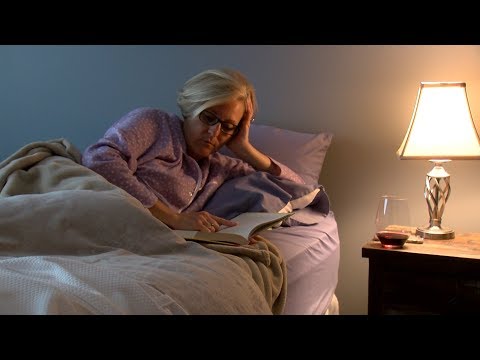
Sleep hygiene meaningfully integrates behavioral science with daily habits to improve sleep outcomes and overall well-being.
Why Sleep Hygiene Matters

Poor sleep hygiene increases health risks by weakening immunity, disrupting hormone balance, and raising the likelihood of chronic conditions. Sleep is not just rest; it is the body’s primary recovery cycle, essential for physical repair, mental clarity, and long-term well-being.
Health Consequences of Poor Sleep
- Physical Effects
- Weakened immunity – Sleep deprivation reduces immune response, making infections more likely.
- Hormonal imbalance – Elevated cortisol from poor sleep increases stress and fat storage.
- Inflammation – Chronic sleep debt contributes to systemic inflammation, linked to heart disease and diabetes.
- Mental Effects
- Cognitive decline – Lack of sleep impairs memory, attention, and decision-making.
- Mood disorders – Poor sleep increases risks of anxiety and depression.
- Chronic fatigue – Ongoing sleep disruption leads to burnout and reduced quality of life.
Sleep’s Role in Recovery, Immunity, and Longevity
- Recovery – Deep sleep supports muscle repair, cellular regeneration, and energy balance.
- Immunity – Adequate sleep strengthens the production of infection-fighting cells and antibodies.
- Longevity – Consistent, high-quality sleep lowers the risk of metabolic disorders, cardiovascular disease, and neurodegenerative conditions.
Sleep hygiene matters because poor sleep harms immunity, increases stress hormones like cortisol, and fuels inflammation. Consistent, healthy sleep supports recovery, strengthens immune function, and promotes longevity by reducing risks of chronic disease, mental decline, and fatigue.
The Science of Sleep Cycles

The sleep cycle is a repeating pattern of brain and body activity that alternates between non-REM (NREM) and REM sleep over 90 – 120 minutes. This cycle is regulated by the circadian rhythm and sleep homeostasis, ensuring both physical recovery and mental processing.
Circadian Rhythm – The Body’s Internal Clock
The circadian rhythm is a 24-hour sleep-wake cycle controlled by the brain’s suprachiasmatic nucleus. Light signals regulate the hormone melatonin, secreted by the pineal gland, which rises in the evening to trigger drowsiness and falls in the morning to promote wakefulness.
Sleep Stages Explained
- NREM Sleep
- Stage 1 – Light sleep, transition from wakefulness.
- Stage 2 – Stable sleep with slowed brain waves and reduced body activity.
- Stage 3 (Slow-Wave Sleep) – Deepest stage, vital for tissue repair, immune strengthening, and energy restoration.
- REM Sleep
- Occurs ~90 minutes after sleep onset.
- Characterized by rapid eye movements, vivid dreams, and heightened brain activity.
- Essential for memory consolidation, emotional regulation, and learning.
Why Sleep Cycles Matter
- Homeostasis – Balances sleep pressure, ensuring recovery after prolonged wakefulness.
- REM Rebound – When deprived of REM sleep, the brain prioritizes it in subsequent cycles.
- Optimal Rest – A full night typically includes 4 – 6 complete cycles, aligning with circadian timing.
Sleep cycles consist of NREM and REM stages repeating every 90 – 120 minutes, guided by circadian rhythm and melatonin. NREM deep sleep repairs the body, while REM sleep supports memory and learning. Together, these cycles ensure physical recovery and mental health.
Core Principles of Good Sleep Hygiene

Good sleep hygiene is built on consistent routines, mindful avoidance of stimulants, and intentional wind-down habits that signal the body it’s time to rest. These foundational behaviors align with the body’s natural sleep-wake cycle and strengthen long-term sleep quality.
Keep a Consistent Sleep–Wake Schedule
- Go to bed and wake up at the same time every day, including weekends.
- Consistency reinforces the circadian rhythm, making sleep onset and wakefulness easier.
Limit Stimulants and Evening Disruptors
- Avoid caffeine, nicotine, and alcohol at least 4–6 hours before bed.
- Stimulants elevate dopamine and delay melatonin release, making it harder to fall asleep.
- Heavy meals or late-night exercise can also disrupt natural sleep signals.
Create a Calming Pre-Sleep Routine
- Establish pre-sleep rituals such as reading, stretching, or meditation.
- Avoid screens and blue light exposure, which interfere with melatonin.
- Use evening signals like dim lighting, herbal tea, or gentle music to prepare the brain for rest.
Optimize the Sleep Environment
- Keep the bedroom cool, dark, and quiet to support deep sleep.
- Remove distractions like phones and TVs.
- Invest in a supportive mattress and breathable bedding.
Sleep Hygiene Checklist – Habits vs. Disruptors
✅ Good Sleep Habits | ❌ Common Sleep Disruptors |
|---|---|
Consistent bedtime and wake-up schedule | Irregular sleep patterns (e.g., late nights, weekend sleep-ins) |
Limiting caffeine, nicotine, and alcohol in the evening | Consuming stimulants or heavy meals before bed |
Practicing calming pre-sleep rituals (reading, stretching, meditation) | Using screens or bright lights close to bedtime |
Creating a cool, dark, and quiet bedroom | Sleeping in a noisy, bright, or hot environment |
Using evening signals like dim lighting or herbal tea | Exercising intensely right before bed |
The core principles of sleep hygiene include a consistent schedule, reduced evening stimulants, calming pre-sleep rituals, and a distraction-free sleep environment. Habits like reading or dim lighting encourage rest, while disruptors such as caffeine, screens, or late meals interfere with natural sleep cycles.
Environmental Factors – Optimize Your Sleep Space

The bedroom environment strongly determines sleep quality, with factors like light, temperature, sound, and comfort shaping how easily you fall asleep and stay asleep. A well-designed sleep space reduces disruption and supports the body’s natural rhythms.
Darkness – Blocking Light for Better Rest
- Use blackout curtains or a sleep mask to prevent light pollution from streetlights or electronics.
- Darkness signals the brain to release melatonin, helping regulate the sleep–wake cycle.
- Limit exposure to glowing screens that delay melatonin release.
Temperature – Keep It Cool
- The ideal sleep temperature is 60–67°F (15–19°C) for most adults.
- A cooler environment helps lower core body temperature, a natural signal for sleep onset.
- Breathable bedding and cooling mattresses enhance thermal comfort.
Sound – Reducing Noise Disruptions
- Keep the bedroom quiet or use white noise machines to mask disruptive sounds.
- Earplugs can be useful in urban or noisy environments.
- Consistent soundscapes promote deeper, uninterrupted sleep cycles.
Comfort – Build a Sleep Sanctuary
- Invest in a supportive mattress and pillows that align with your sleep position.
- Keep the bed dedicated to sleep and intimacy – avoid working or watching TV in bed.
- Reduce clutter and create a calming atmosphere to mentally associate the space with rest.
Quick Guide – Best vs. Worst Sleep Environment
✅ Ideal Sleep Environment | ❌ Sleep Disruptors |
|---|---|
Blackout curtains, minimal light | Streetlights, glowing electronics |
Room temperature 60–67°F (15–19°C) | Overheated or stuffy rooms |
Quiet setting or white noise | Traffic, loud neighbors, TV noise |
Supportive mattress and pillow | Old, sagging mattress or poor pillow support |
Bedroom reserved for sleep | Using bed for work, scrolling, or TV |
The best sleep environment is cool, dark, and quiet, with a supportive mattress and minimal distractions. Darkness boosts melatonin, cool temperatures trigger sleep onset, and reduced noise prevents awakenings. Optimizing the bedroom into a dedicated sleep sanctuary significantly improves sleep quality and recovery.
Technology and Sleep Hygiene

Technology can both harm and help sleep hygiene, depending on how it is used. Screens disrupt melatonin production through blue light exposure, while sleep apps and wearables can support healthier habits by tracking cycles and promoting awareness.
The Downside – Blue Light and Screen Habits
- Blue light from phones, tablets, and laptops suppresses melatonin, delaying sleep onset.
- Evening screen time increases alertness, making it harder to wind down.
- Notifications and digital engagement raise stress hormones and fragment rest.
- A digital detox at least 1 hour before bed reduces these effects.
The Upside – Sleep Apps and Wearables
- Sleep trackers and wearables measure sleep stages, heart rate, and nighttime movement, helping users identify patterns.
- Smart alarms wake you during lighter sleep phases, reducing grogginess.
- Mindfulness and relaxation apps guide meditation or breathing exercises to support pre-sleep rituals.
- Many apps provide personalized sleep scores, encouraging accountability and habit improvement.
Technology and Sleep Hygiene at a Glance
✅ Helpful Uses of Technology | ❌ Harmful Uses of Technology |
|---|---|
Sleep trackers for cycle monitoring | Blue light exposure before bed |
Smart alarms for gentle waking | Scrolling social media late at night |
Relaxation or meditation apps | Notifications disrupting rest |
Wearables giving sleep scores | Using screens as a “wind-down” tool |
Technology affects sleep hygiene in two ways – screens and blue light harm rest by suppressing melatonin, while sleep apps and wearables help by tracking cycles, guiding relaxation, and improving awareness. Avoid late-night screen use, but leverage smart tools to build healthier sleep routines.
Sleep Hygiene for Specific Lifestyles

Sleep hygiene strategies need to be personalized, since children, teenagers, and shift workers face unique challenges that disrupt normal circadian rhythms. Adapting routines to each lifestyle helps improve sleep quality and overall health.
Children – Building Bedtime Routines
- Consistent sleep times help regulate natural rhythms and reduce bedtime resistance.
- A structured wind-down routine – such as reading, bath time, or dim lighting – signals the brain to prepare for sleep.
- Parents should keep bedrooms screen-free to support healthy melatonin release.
Teenagers – Managing Circadian Shifts
- During adolescence, melatonin release is delayed, making it harder for teens to fall asleep early.
- Encourage teens to keep a consistent wake-up time, even on weekends, to reduce sleep debt.
- Limiting evening caffeine, social media, and late-night gaming supports healthier cycles.
Shift Workers – Overcoming Irregular Hours
- Night shifts and rotating schedules disrupt circadian alignment, often leading to chronic fatigue.
- Wearing blue-light blocking glasses after night shifts and using blackout curtains during daytime sleep help regulate melatonin.
- Strategic naps and, when advised, melatonin supplements can ease adjustment.
Jet Lag – Resetting the Body Clock
- For frequent travelers, gradually adjusting sleep times before a trip reduces jet lag impact.
- Exposure to natural morning light helps realign circadian rhythm in new time zones.
- Hydration, short naps, and avoiding alcohol or caffeine aid recovery.
Lifestyle-Specific Sleep Hygiene at a Glance
Lifestyle Group | Key Challenge | Effective Strategy |
|---|---|---|
Children | Bedtime resistance | Consistent routine with calming rituals |
Teenagers | Delayed melatonin release | Regular wake time, limit evening screen use |
Shift Workers | Irregular sleep-wake cycles | Blackout curtains, light management, strategic naps |
Travelers (Jet Lag) | Time zone disruption | Gradual schedule shifts, light exposure, hydration |
Sleep hygiene varies by lifestyle – children need structured bedtime routines, teens face delayed melatonin and require consistent wake times, shift workers benefit from blackout curtains and strategic naps, while travelers manage jet lag with light exposure and gradual schedule shifts. Personalization improves sleep quality across age groups.
Building a Personalized Sleep Routine

A personalized sleep routine is a daily system of morning cues and evening rituals that trains your body to align with its natural circadian rhythm. By combining consistent habits with biofeedback, you can build a routine that supports your chronotype and lifestyle.
Morning Cues – Start the Day Right
- Consistent wake time – Get up at the same hour daily, even on weekends.
- Light exposure – Step outside for natural sunlight within 30 minutes of waking to reinforce circadian alignment.
- Movement – Light exercise or stretching boosts alertness and signals the brain it’s daytime.
Evening Rituals – Signal the Body to Rest
- Begin a wind-down period 60–90 minutes before bed.
- Replace stimulating activities with calming ones – journaling, light reading, or meditation.
- Use routine triggers like dimming lights, playing soft music, or herbal tea to condition the mind for rest.
Habit Formation – Make It Stick
- Use habit stacking (pairing a new habit with an existing one) to integrate sleep-friendly behaviors. Example – Write in a journal immediately after brushing teeth.
- Track sleep quality with a journal or wearable to notice improvements and adjust as needed.
- Respect your chronotype – early birds and night owls thrive on different rhythms. Align routines accordingly.
Healthy Sleep Routine Template
Time | Routine Cue | Purpose |
|---|---|---|
Morning | Wake up at the same time, get sunlight | Reset circadian rhythm |
Afternoon | Limit caffeine after 2 p.m. | Prevent delayed sleep onset |
Evening (1–2 hrs before bed) | Dim lights, disconnect from screens | Trigger melatonin release |
30 mins before bed | Journaling, stretching, meditation | Reduce stress, promote calm |
Bedtime | Consistent sleep time | Reinforce sleep-wake cycle |
To build a personalized sleep routine, wake up consistently, get morning sunlight, and avoid stimulants late in the day. In the evening, start a 60–90 minute wind-down with calming rituals like journaling or meditation. Aligning habits with your chronotype strengthens circadian rhythm and improves rest quality.
Common Sleep Hygiene Mistakes to Avoid

Poor sleep hygiene often comes from everyday mistakes like irregular sleep schedules, reliance on alcohol, or misconceptions about “catching up” on rest. Recognizing these errors helps maintain consistency and prevents long-term sleep disruption.
Oversleeping on Weekends
- Many people try to recover from weekday sleep debt by sleeping in, but this disrupts circadian rhythm.
- The result is “social jet lag,” where the body struggles to adjust back to weekday schedules.
“Catching Up” on Lost Sleep
- Binge sleeping after short nights doesn’t fully restore cognitive performance or immune function.
- Recovery comes from consistent nightly rest, not irregular rebound sleep.
Using Alcohol as a Sleep Aid
- While alcohol may help with sleep onset, it fragments deep sleep and REM stages.
- This leads to lighter, less restorative rest and more frequent awakenings.
Poor Napping Habits
- Long or late-afternoon naps can reduce nighttime sleep pressure.
- The optimal nap is 20–30 minutes, early in the afternoon, to avoid disrupting nighttime cycles.
Screen Time Before Bed
- Evening exposure to blue light delays melatonin release, pushing back sleep onset.
- Scrolling on phones or watching TV in bed also conditions the brain to associate the bedroom with stimulation, not rest.
Sleep Mistakes vs. Healthier Alternatives
❌ Common Mistake | ✅ Better Practice |
|---|---|
Sleeping in late on weekends | Maintain consistent wake-up times |
Binge sleeping to “catch up” | Prioritize steady nightly sleep |
Drinking alcohol before bed | Use non-stimulating rituals (tea, reading) |
Napping too long or too late | Keep naps <30 min, early afternoon |
Screen time before bed | Disconnect 1 hr before sleep, use dim light |
Common sleep hygiene mistakes include oversleeping on weekends, trying to catch up with binge sleep, relying on alcohol, poor nap timing, and screen use before bed. These habits disrupt circadian rhythm and sleep quality. Consistency, short naps, and calming pre-sleep rituals are healthier alternatives.
Tools That Support Better Sleep

Sleep tools – from simple accessories like masks and pillows to advanced trackers and smart devices – help create the right conditions for quality rest. Choosing the right tool depends on whether you need environmental control, relaxation support, or sleep data for self-improvement.
Low-Tech Sleep Accessories
- Sleep masks – Block out unwanted light to maintain melatonin levels.
- Earplugs or white noise machines – Reduce disruptive noise, creating a steady sound environment.
- Weighted blankets – Provide gentle pressure that lowers stress and promotes calm.
- Supportive pillows and mattresses – Improve posture and reduce nighttime discomfort.
High-Tech Sleep Gadgets
- Sleep tracking apps – Monitor sleep duration, cycles, and disturbances through smartphone sensors.
- Wearables (smart rings, watches, headbands) – Track heart rate, body temperature, and sleep stages for deeper insights.
- Smart alarms – Use haptic vibration or gradual sound/light to wake you during light sleep.
- Temperature control devices – Smart mattresses or cooling pads regulate body temperature for optimal sleep.
Sleep Tools at a Glance
✅ Helpful Tool | 🔑 Main Benefit |
|---|---|
Sleep mask | Blocks light, supports melatonin |
White noise machine | Masks disruptive sounds |
Weighted blanket | Reduces stress, promotes relaxation |
Supportive pillow/mattress | Improves comfort and posture |
Sleep tracking app | Monitors patterns and habits |
Wearable (ring, watch) | Tracks sleep cycles & biofeedback |
Smart alarm | Wakes during light sleep phase |
Temperature control pad | Keeps body cool for deep sleep |
The best sleep tools include masks, weighted blankets, and white noise machines for environmental control, along with apps, wearables, and smart alarms for tracking and optimization. These accessories reduce light, noise, and discomfort while providing insights that help improve sleep quality and overall rest.
When Sleep Hygiene Isn’t Enough

If sleep problems persist despite good sleep hygiene, it may indicate an underlying sleep disorder such as insomnia, sleep apnea, or parasomnia. In these cases, medical evaluation and targeted treatment are necessary to restore healthy sleep.
Signs Sleep Hygiene Alone May Not Help
- Persistent insomnia – Difficulty falling or staying asleep for 3+ nights per week, lasting over 3 months.
- Excessive daytime sleepiness – Constant fatigue despite getting enough hours in bed.
- Sleep apnea symptoms – Loud snoring, gasping, or pauses in breathing during sleep.
- Parasomnias – Night terrors, sleepwalking, or other disruptive behaviors.
- Unrefreshing sleep – Waking up tired despite adequate sleep duration and consistent routine.
Red Flags – When to Seek a Doctor Immediately
- Sudden inability to sleep for several nights in a row
- Loud, chronic snoring with pauses in breathing (possible sleep apnea)
- Falling asleep unexpectedly during the day (risk of narcolepsy)
- Violent movements, sleepwalking, or night terrors causing injury risk
- Persistent fatigue interfering with work, driving, or daily function
When to Seek Professional Help
- Insomnia – Chronic cases may require cognitive behavioral therapy for insomnia (CBT-I), the gold standard treatment.
- Sleep apnea – Diagnosed through sleep studies; often treated with CPAP devices or other interventions.
- Other disorders – Restless legs syndrome, narcolepsy, and parasomnias often need specialized therapy.
- Sleep clinic evaluation – Polysomnography (overnight sleep testing) helps identify causes of ongoing disturbances.
Hygiene vs. Medical Care
Symptom | Hygiene Fix Likely Works | Medical Help Needed |
|---|---|---|
Trouble falling asleep after caffeine use | ✅ Yes | ❌ No |
Chronic insomnia (3+ months) | ❌ No | ✅ Yes |
Snoring and breathing pauses | ❌ No | ✅ Yes (possible sleep apnea) |
Fatigue from irregular schedule | ✅ Yes | ❌ No |
Night terrors or sleepwalking | ❌ No | ✅ Yes |
When sleep hygiene isn’t enough, red flags such as chronic insomnia, loud snoring with pauses, sudden sleep attacks, or parasomnias require medical evaluation. These symptoms may signal disorders like sleep apnea, narcolepsy, or insomnia, which need professional treatment such as CBT-I, CPAP, or clinical testing.
Integrating Sleep Hygiene into Daily Life

Integrating sleep hygiene into daily life requires consistency, gradual behavior change, and tools that make healthy sleep habits sustainable over time. Treating sleep as a lifestyle priority rather than a short-term fix ensures lasting improvements in rest and well-being.
Build Consistency Through Tracking
- Use a habit tracker or sleep journal to log bedtime, wake-up time, and sleep quality.
- Many apps and wearables provide a consistency score to keep accountability visible.
- Tracking progress reinforces motivation and highlights patterns that need adjustment.
Start with Small, Sustainable Changes
- Introduce micro-habits such as dimming lights 30 minutes earlier or avoiding caffeine after lunch.
- Stack habits into existing routines – for example, journaling right after brushing teeth.
- Gradual adjustments reduce resistance and increase adherence over time.
Align Sleep with Lifestyle and Chronotype
- Respect your chronotype – whether early bird or night owl – and adapt routines accordingly.
- Shift workers or frequent travelers should focus on light management and scheduled naps to protect circadian balance.
- Balance social, work, and family obligations by setting realistic sleep windows you can maintain daily.
Reinforce Habits with Reward Loops
- Pair healthy sleep behaviors with small rewards – like tea, meditation, or relaxing music – to strengthen associations.
- Use accountability partners or family routines to maintain consistency.
- Celebrate milestones (e.g., 30 consecutive nights of consistent sleep) to reinforce commitment.
Daily Integration Tips at a Glance
Strategy | Practical Example | Benefit |
|---|---|---|
Habit tracking | Log bedtime/wake-up in app | Builds accountability |
Micro-habits | No caffeine after 2 p.m. | Easy to sustain |
Habit stacking | Meditate after brushing teeth | Links to existing cues |
Chronotype alignment | Night owl starts wind-down later | Improves adherence |
Reward loop | Herbal tea before bed | Strengthens relaxation ritual |
To integrate sleep hygiene long term, track habits, start with small changes, and align routines with your chronotype and lifestyle. Use habit stacking, reward loops, and accountability tools to reinforce consistency. Treating sleep as a daily priority ensures sustainable rest and long-term wellness benefits.
FAQ’s
What is sleep hygiene?
Sleep hygiene refers to a set of recommended habits and behaviors designed to promote quality sleep. These practices include maintaining a consistent sleep schedule, creating a comfortable sleep environment, and avoiding stimulants before bedtime.
Why is sleep hygiene important?
Good sleep hygiene is crucial for physical and mental health. It helps regulate the body's internal clock, improves sleep quality, and reduces the risk of sleep disorders. Poor sleep hygiene can lead to issues like insomnia and negatively impact overall well-being.
What are some common sleep hygiene practices?
Common practices include - keeping a consistent sleep schedule, creating a restful sleep environment, limiting exposure to screens before bed, avoiding caffeine and heavy meals in the evening, and engaging in relaxing activities before bedtime.
How does screen time affect sleep hygiene?
Exposure to screens before bedtime can interfere with sleep. The blue light emitted by phones, tablets, and computers can suppress melatonin production, making it harder to fall asleep. Limiting screen time in the evening is recommended for better sleep hygiene.
Can exercise improve sleep hygiene?
Yes, regular physical activity can promote better sleep. However, exercising too close to bedtime may be stimulating. It's best to complete workouts at least a few hours before going to bed to enhance sleep quality.
How does diet impact sleep hygiene?
Diet plays a significant role in sleep quality. Consuming large meals, caffeine, or alcohol close to bedtime can disrupt sleep. Opting for a light snack if hungry and avoiding stimulants in the evening can support better sleep hygiene.
What is the role of a sleep environment in sleep hygiene?
A conducive sleep environment is essential for good sleep hygiene. This includes a comfortable mattress and pillows, a cool room temperature, and minimal light and noise. Creating such an environment can facilitate falling and staying asleep.
How can one establish a consistent sleep schedule?
To establish a consistent sleep schedule - go to bed and wake up at the same time every day, even on weekends; develop a relaxing pre-sleep routine; avoid naps late in the day; and limit exposure to bright light in the evenings.
References and Sources